



From around 5,000 guests in its first year to 53,000 in the first half of 2026, VIP Travel has grown alongside changing booking habits, with GetYourGuide now accounting for approximately 40% of its bookings.
Key takeaways
Build growth around the guest experience. VIP Travel grew from around 5,000 guests in 2010 to approximately 53,000 in the first six months of 2026 while keeping guide quality and storytelling at the center of its tours.
Reach beyond traditional distribution. GetYourGuide now accounts for approximately 40% of VIP Travel’s bookings and helps connect the operator with independent international travelers.
Respond quickly to last-minute demand. With many guests booking just one or two days ahead, real-time availability helps VIP Travel adjust guides, vehicles, and departures.
Use customer behavior to shape your offer. Booking trends and feedback have helped VIP Travel add more varied DMZ experiences and combine tours with the JSA museum.
Put consistency ahead of rapid expansion. Sue’s advice is simple: deliver a great experience first, because happy guests lead to strong reviews and stronger growth.

When VIP Travel started in 2010, reaching international travelers meant building relationships with luxury hotels and local travel networks, then relying on reviews and word of mouth to spread the word. The company had three employees and welcomed around 5,000 guests in its first year.
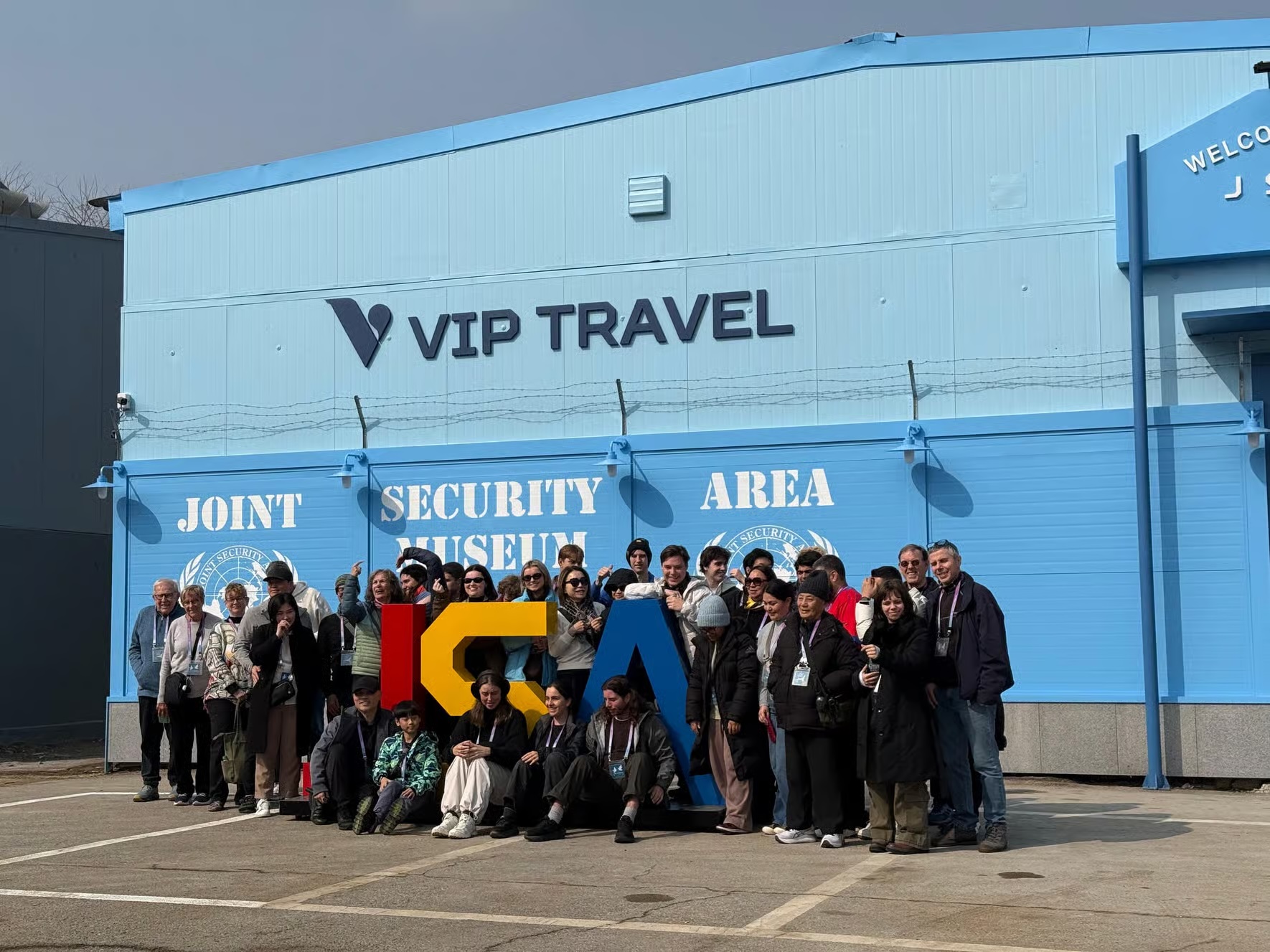
From the beginning, it specialized in experiences around Korea’s Demilitarized Zone (DMZ) and Joint Security Area (JSA), where what travelers hear can matter as much as what they see. Years of operating JSA tours later helped VIP Travel create a museum experience when public access to the area became restricted.
“Our vision is simple: to make every guest feel like a VIP. That’s actually where our company name comes from,” says Managing Director Sue Kim. For VIP Travel, that means knowledgeable guides, personal service and helping guests understand the history behind the places they visit.
Sixteen years on, the way those guests find VIP Travel has changed considerably. Online bookings have helped the company reach a much larger international audience, while reviews and customer feedback now shape everything from its listings to the experiences it develops.
“One thing that surprised me is how closely performance is connected to quality,” Sue says. “The more attention we pay to our reviews, product pages and the customer experience, the more bookings we tend to receive. It creates a positive cycle of growth.”
We spoke with Sue and team member Julie Bae about how VIP Travel made that shift, why its guides remain central to the business, and how changing traveler habits are shaping what comes next.
What was VIP Travel like when you started, and how has the business changed?
We started in 2010 with just three employees. Online travel platforms were still limited, so businesses like ours relied much more on luxury hotels, local travel networks, reviews, and word of mouth. One of our biggest challenges was finding a consistent way to reach international travelers.
In our first year, we welcomed around 5,000 guests. Between January and June 2026 alone, that figure was approximately 53,000 across our tours and experiences.
Direct bookings, hotels, and traditional travel networks still matter, but online channels now bring us many more independent travelers who research and book on their own.
Why is storytelling so important to your DMZ experiences?
Our guides are probably the most important part of what we do. Anyone can visit a location. A good guide helps you understand why it matters.
That is especially true at the DMZ, where history and context matter as much as what you can physically see. Each guide brings their own background and perspective, and we invest heavily in training and communication.
Reviews often mention how knowledgeable, passionate, and engaging our guides are. Guests also remember how they respond when something goes wrong. If somebody gets sick or loses something, our guides step in and help. That personal care is part of what being a VIP means to us.
Sometimes guest questions show why context matters. One visitor asked if they could take a taxi to Pyongyang after the DMZ tour. They could not cross into North Korea, of course, but it reminded us how differently travelers understand the region.
It also affects our listings. A photo can show a place, but it is much harder to communicate what it feels like to stand near the border. We have learned to explain why a place matters, rather than simply listing where the tour goes.

Why did you start working with GetYourGuide, and when did you see the partnership making a difference?
We were exploring online distribution because we wanted to reach international travelers beyond the hotel and travel agency networks we had traditionally relied on. GetYourGuide gave us another way to make that connection, and its team was proactive about building the relationship.
Today, GetYourGuide accounts for approximately 40% of our bookings. In some years, bookings through the platform have reached around 1.5 times the previous year’s level.
The pandemic was an important moment for us. Many operators reduced their activities or paused products. We kept our products active and continued investing in the team. When travel demand returned, bookings increased very quickly. That's when we saw how valuable our long-term relationship with GetYourGuide had become.
What have you learned about the relationship between quality, reviews, and growth?
The more attention we give to the guest experience, reviews, and product pages, the more bookings we tend to receive. That creates a positive cycle.
GetYourGuide customers are often very independent. Many compare reviews carefully before booking, and we see a lot of solo travelers too. When you are making the decision yourself, other customers’ experiences can carry a lot of weight.
We also pay close attention to titles, photos, and descriptions. Customers need a clear idea of what they are booking.
How can tour operators like VIP Travel manage growing last-minute demand?
The largest share of our guests now book only one or two days before the tour. Many arrive in Korea first, then decide what to do based on their schedule or the weather.
We monitor availability closely and add guides, vehicles, or departures when possible. Our teams can be working almost around the clock to keep up with bookings and avoid disappointing customers.
Digital booking makes that much easier. We can see availability in real time, manage last-minute reservations, communicate with guests, and update products across several channels.
We also use AI to translate product descriptions and analyze customer communications and reviews, freeing up time to focus on guests and developing new experiences.
How are booking trends and customer feedback shaping new products?
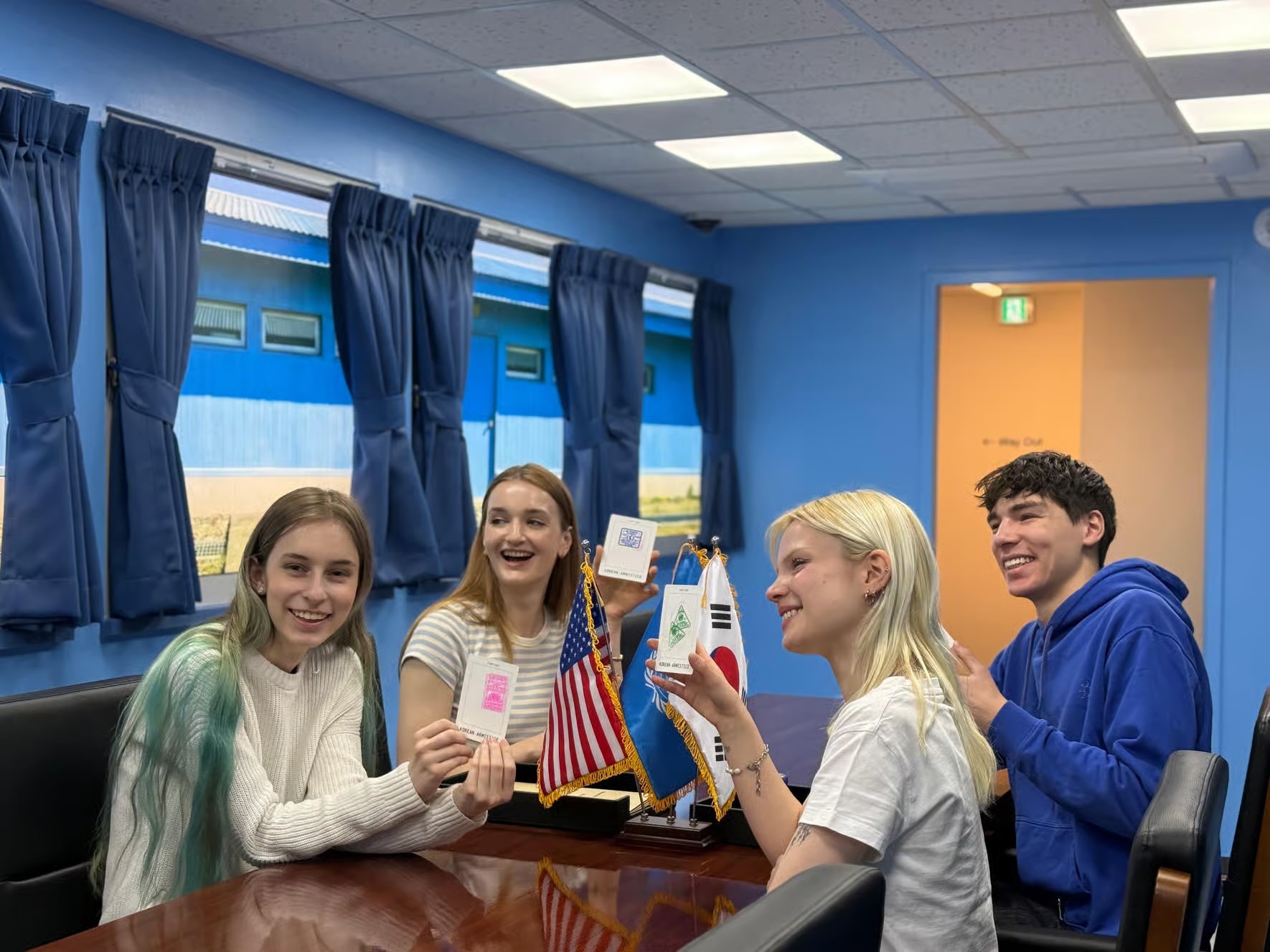
We saw that travelers wanted more variety around the DMZ, including options that combined a DMZ visit with other attractions. That helped us expand our offer, including experiences that combine a DMZ tour with the JSA museum.
The museum itself came from our own experience operating JSA tours and the restrictions on public access. Visitors can learn what the JSA is, see a miniature representation of the area, and understand its place in Korean history even when direct access is unavailable.
We were also surprised by international interest in learning about North and South Korea. GetYourGuide booking trends and feedback show us what guests appreciate and where demand is changing, helping us develop more educational experiences.
What comes next for VIP Travel, and what would you tell other operators about growth?
We want to keep developing experiences connected to the Korean Peninsula and North Korea. One project we are particularly excited about is our North Korea Defector Live Talk program, giving travelers the chance to hear directly from defectors about life in North Korea.
For us, success means continuing to grow while maintaining the quality and personal service that built our reputation.
My advice to another operator is to focus on delivering a great experience first. If guests are happy, good reviews follow, and growth can follow those reviews. Consistency matters more than trying to grow too quickly.
OTAs also give operators access to international travelers they may struggle to reach through direct channels alone. Quality still has to come first.