



Showing friends around their city inspired Traveling Tokyo’s founders to create a tour business built on giving visitors authentic experiences that Tokyoites actually engage with.
Key Takeaways
Look at GetYourGuide data to optimize. Traveling Tokyo uses GetYourGuide’s actionable insights to refine experiences. Lowering the booking cutoff time increased last-minute bookings, driving an impressive 495% year-over-year revenue growth.
Keep authenticity at the core. Despite scaling to 50,000 monthly guests at peak, Traveling Tokyo prioritizes hiring local guides with genuine, personal connections to the areas they show guests, maintaining the intimate feel of the founders’ first tours.
Listen to what guests want. Recognizing that many tourists don’t have time to leave Tokyo or want to, Ryota and Yota created experiences within Tokyo that authentically bring other parts of Japanese culture and tradition to their guests.
Partner with OTAs for global reach. GetYourGuide expanded Traveling Tokyo’s audience beyond American tourists on the ground, bringing in a more diverse mix from Europe, North America, and Oceania. The USA remains its top market (35% of revenue), followed by Australia (18%), the UK (14%), Germany (8%), France (8%), and Canada (6%).
Lean into experiential travel. Capitalizing on travelers who want to “do” rather than “buy” souvenirs or keepsakes, Traveling Tokyo’s interactive experiences have become massive hits, accounting for around half of revenue.
For co-founders Ryota Matsunaga and Yota Koketsu, the seed for Traveling Tokyo was planted simply by being good hosts. They grew up in the Japanese capital, but it wasn’t until they went to college in the US and started hosting American friends during summer breaks in Tokyo that they realized the value of their local knowledge.
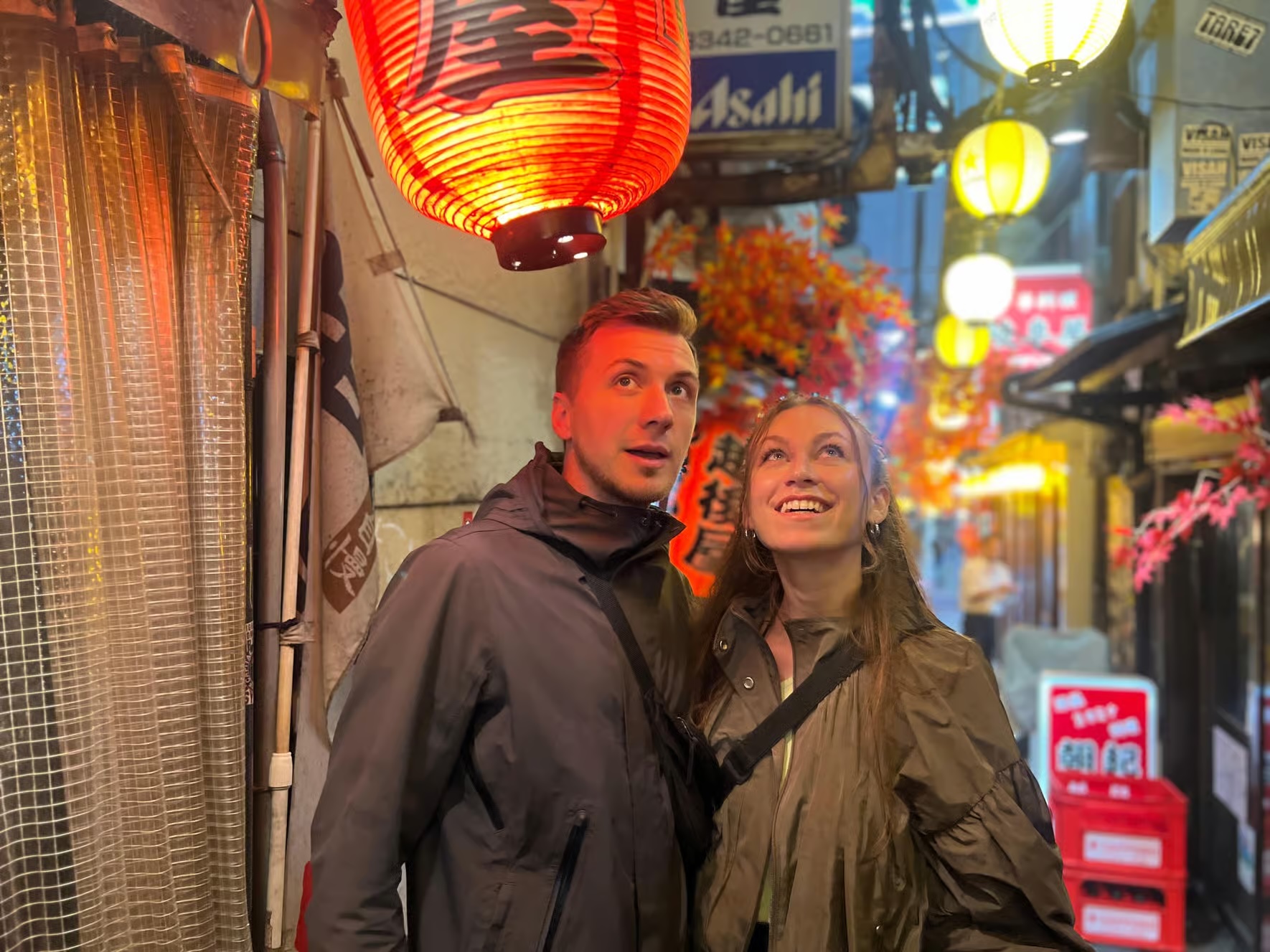
“They’d go to Tokyo Disneyland, Shibuya Crossing ... all the tourist favorites,” Ryota recalls. “But if we took them to local izakayas or areas tourists usually don’t go, we saw the excitement in their faces. That’s when we thought this tour guide thing would be very fun.”
Today, Traveling Tokyo operates with up to 200 guides in both Tokyo and Kyoto, and welcomes almost 50,000 guests a month. Despite this rapid growth, Ryota remains focused on delivering the same authentic Japanese experiences he and Yota first offered.
From morning trips to the Tsukiji Fish Market to sourcing denim directly from Okayama for a new workshop, Traveling Tokyo connects global travelers to the true culture of Japan in its capital and beyond.
Here, Ryota shares his journey of scaling the business, the challenges of maintaining quality, and how partnering with GetYourGuide, which now drives up to 70% of their OTA bookings, transformed their trajectory.
How did Traveling Tokyo start and grow its tour business?
Our first tour was the Tsukiji Fish Market morning tour. It’s already a place tourists go, but if you go there at 5 or 6 AM, there aren’t many there yet. We used to visit as kids, so we knew the people there, and they’d offer us things that usual tourists wouldn’t get.
From there, we noticed people were interested in other things. They’d ask what to eat at night, so we started food tours. At first, it was just me and Yota going to Tsukiji at 5 AM, doing the Imperial Palace at lunch, and a food tour at night. We’d sleep, wake up, and do it again. It took about eight months before we hired our first guide.
We held off on expanding immediately because we didn’t want to hire anyone who couldn’t match our quality standards. It took some time to find the right fit, but once we hired that first guide and felt confident in the training, we began scaling up. That was fast.
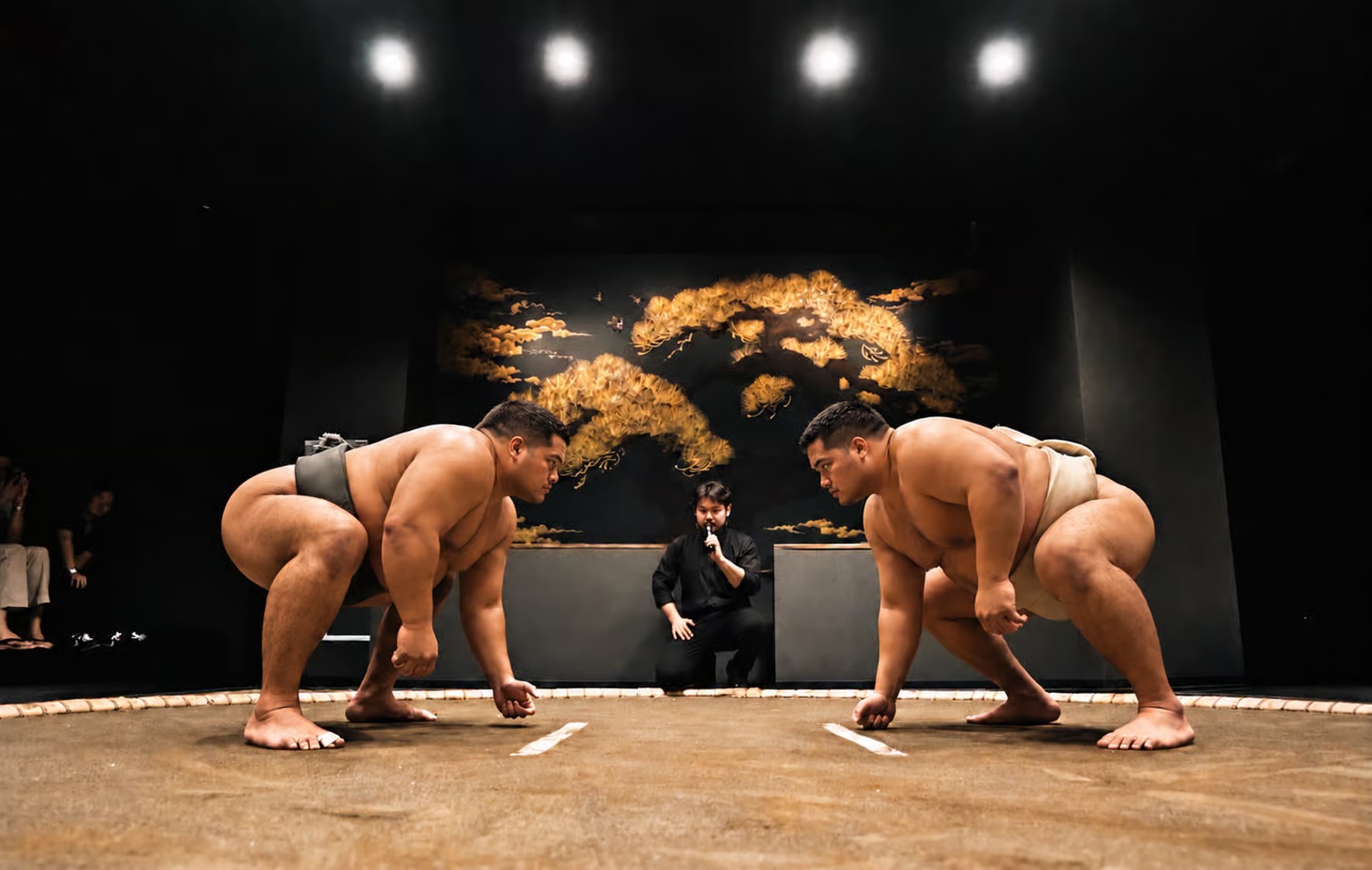
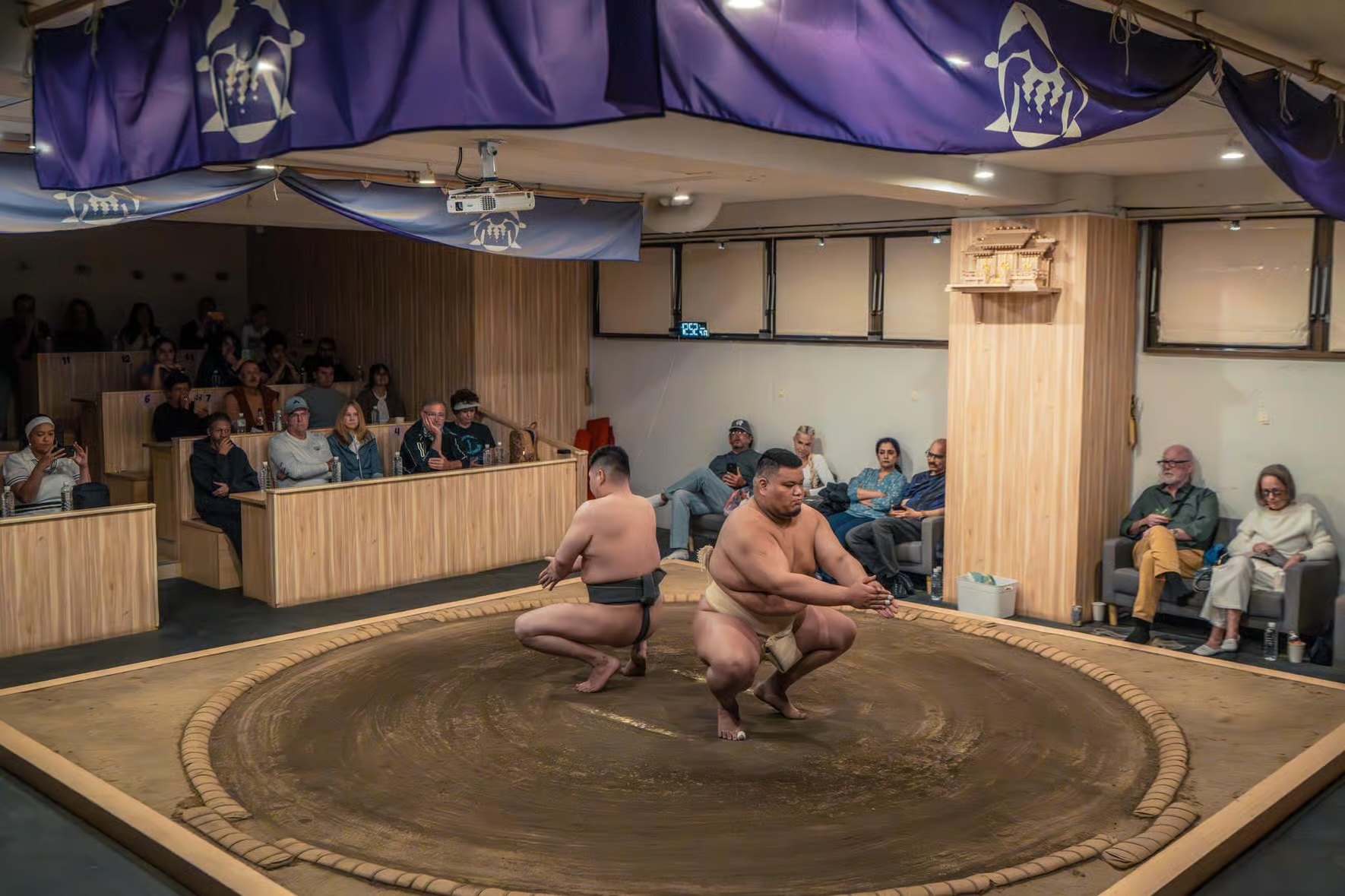
So, we started in 2024 with only a handful of guests, usually solo travelers. Now we’re close to 50,000 guests a month. We’ve grown our team, of course, and now have almost 200 guides. And we’ve expanded to include things guests were asking for, like making chopsticks and sumo experiences.
From your experience, how can tour operators maintain quality while scaling and hiring more guides?
Maintaining quality is our biggest challenge. We want to make sure all tours feel as authentic as when Yota and I started, that sense of discovery when you’re taking guests down local alleys and back streets.
Hiring the right people is key. You can’t really train “localness” into somebody who hasn’t experienced it. We need guides who know the ins and outs of the areas they focus on. If a guest asks a question, a guide who grew up there can say, “This is where I used to come with my mom when I was a teenager.”
That extra level of authenticity is everything. Keeping our groups very small, usually a maximum of 15 people for walking tours, also helps.
What inspired you to start working with OTAs, and why should tour operators get listed on GetYourGuide specifically?
At first, we were just holding signs in front of Tsukiji that said “Tour Guides” and getting paid in cash. But we soon realized how many people were booking through OTAs like GetYourGuide.
GetYourGuide is very intuitive. On the supplier side, it’s very clear on how to make a product, and it was easy to get started. It actually took us by surprise. We listed our tours, checked our email, and saw we were fully booked for the next two weeks. It was still just the two of us. We were like, “Oh no, I guess we can’t take any days off!”
The growth has been huge. About 60% to 70% of our bookings now come through OTAs. Selling on the street, we mostly saw American tourists. But with GetYourGuide, we started seeing people from France, Italy, Scotland, Australia…
GetYourGuide’s performance data is also super helpful.
How do you use GetYourGuide’s tools to help increase bookings?
There are so many insights that become quick wins. We checked the conversion rates based on thumbnails and realized that having a traveler in the photo, say someone being guided through a shrine, converts much better than just a photo of the shrine itself.
The actionable steps tab on the GetYourGuide dashboard is great. It tells us if a slot is running out, so we can add more, or if our booking cutoff time is too high. At first, our cutoff was 10 to 12 hours in advance. When we lowered it to two hours, we saw a noticeable increase in bookings.
We also check reviews constantly. Reviews reflect the experience, and if we get a negative one, we take it very seriously to ensure it never happens again.
How important is guest feedback and how do you use it to evolve your experiences?
Tours are really a people-to-people business, so a lot of our reviews focus heavily on our tour guides, how good they were, or how well they were able to convey authentic, local knowledge.
Listening to our guests is exactly how we’ve expanded our products. For example, we noticed that many guests are interested in Japanese fashion but don’t have the time to travel outside the city, which inspired us to develop an Okayama denim workshop in Harajuku.
So you’re bringing traditions from other regions to Tokyo visitors?
We recently added a chopsticks-making class, which has become one of our most popular tours. We source all the wood from Kagoshima Prefecture, the biggest producer of chopsticks in Japan.
The denim workshop uses denim from Kojima, Okayama Prefecture. It’s one of the biggest denim hubs in the world, but many tourists don’t have time to go there. We partner directly with suppliers in Okayama who hand-make the denim, and we bring that authentic experience to Tokyo. We don’t want to use cheaper, mass-produced materials; we want the real thing, even if it costs more.
People want a once-in-a-lifetime experience, and experiencing something firsthand is better than just buying it.
What would you say to an operator skeptical about working with OTAs?
The biggest thing that puts people off working with OTAs is the commission percentage, but it’s essentially a fee to access a massive new customer base. It’s a very wise marketing cost.
With GetYourGuide, it’s free to start: there’s no set fee to publish a product, and you only pay once a booking is confirmed. No booking, no commission. It’s a very fair system.
What have been the most memorable guest moments so far?
There are a lot! The wholesome ones are when early customers return to Japan and reach out to us again. Even today, I’ll still go on a tour with them.
The funny ones usually involve cultural differences. Japan’s rules and technology can be alien to Western visitors. Some guests get completely lost in the stations because they can’t read the signs, and we end up looking for them for two hours.
Other times, it’s the high-tech toilets. They press a button, water shoots out, and they come out wet and asking, “Which button was I supposed to press?!”