


Prioritizing customer experience and partnering early with GetYourGuide, See Sight Tours’ founder battled imposter syndrome to create one of Canada’s top tour operators.
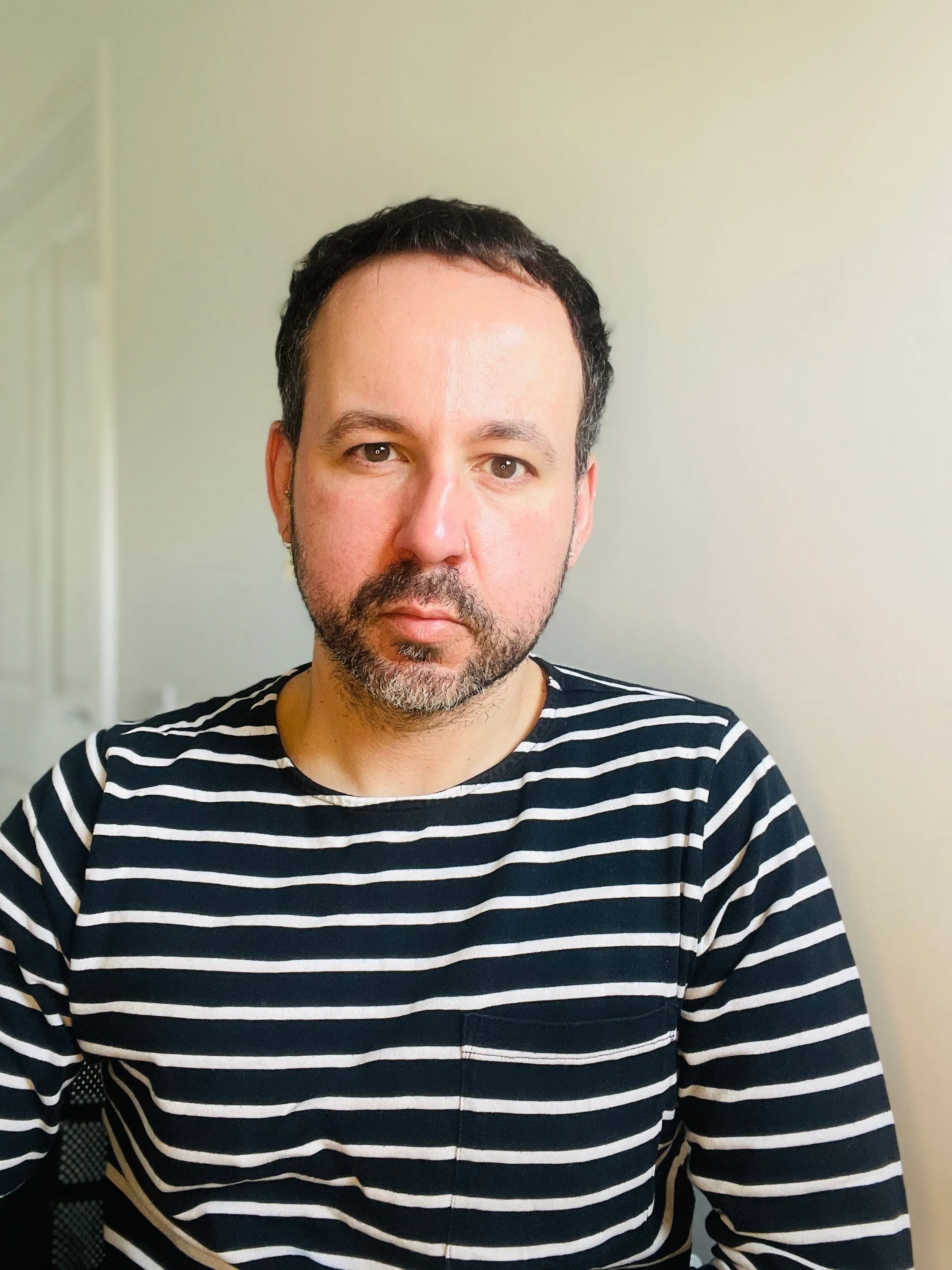
Growing up just a five-minute walk from the thunder of Niagara Falls, and constantly surrounded by vacationers, Daud Grewal was steeped in the tourism industry from day one. It wasn’t until a summer job as a parking lot attendant, though, that he noticed a glaring gap in the market: actual care for the customer. He knew he could do better.
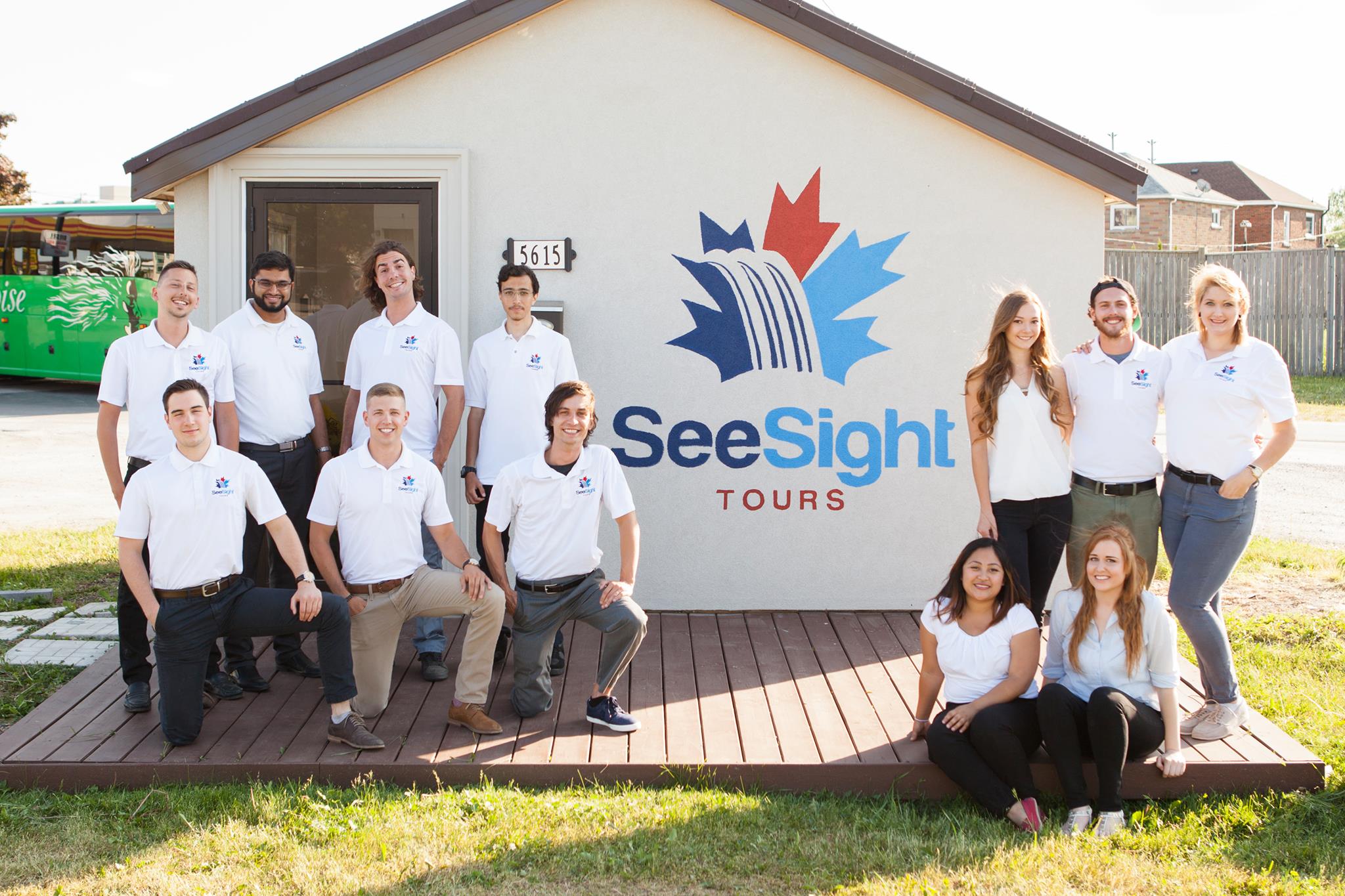
Boldly armed with a hastily handwritten 18-point business plan and his mother’s minivan, a 16-year-old Daud launched See Sight Tours in the summer of 2006. Nearly two decades later, that grassroots operation has evolved into a powerhouse experience provider that welcomes over 100,000 passengers annually.
Here, Daud shares his journey from overcoming early imposter syndrome to why the secret to scaling lies in his confidence in his “six-star guides.” He explains how an early partnership with GetYourGuide has helped See Sight Tours adapt to the market and achieve massive revenue growth.
How did you get your start in the tourism industry?
I was born and raised here in Niagara Falls, Canada. If you wake up early in the morning, you can hear the falls from my place. One of my first summer jobs was as a parking lot attendant at the IMAX theater, literally steps from the main Niagara Falls viewing points. I’d see these large buses coming in filled with passengers, and the guides were terrible. They didn’t care about the customer, and they didn’t care about the local suppliers. It looked like a terrible experience.
Looking at that, I thought I could do a better job in my mom’s minivan. I was a 16-year-old kid in high school. I wrote an 18-point plan on the back of a parking lot sheet, built a booth in woodworking class, put up signs, and got going. I was trying to convince people on the street to come to my mom’s minivan, which wasn’t too appetizing. But we finally got our first sale on Canada Day: July 1, 2006.
What did you do to train yourself in the early days?
The biggest thing that got me going in the right direction was imposter syndrome. I didn’t think I knew what I was doing as a 16-year-old, so I used different names on the phone to make it seem like we were a larger company. The fear of not being good drives you toward excellence.
I learned quickly how important it was to build relationships on the ground. When I arrived at the Skylon Tower, I made sure every single person knew me. We didn’t make life difficult for the frontline workers; we went above and beyond for them. So when things went wrong on busy long weekends, guess who could get things done that nobody else could? We could, because we had those positive relationships.
When did you realize it was time to move beyond the minivan and start working with OTAs?
This was the early days of the internet and the beginning of TripAdvisor. I learned quickly that I needed to get online. Back then, you had these early OTAs that were more like city hub pages, dominating local SEO.
As soon as I got on there, bookings started to roll in. I adapted a local hotel reservation system to work with my tours. When things started to come together, you saw demand shift, and that pushed us to innovate quickly.
When did GetYourGuide become part of the See Sight Tours story?
We joined early on, around 2012. We were one of the first operators to get on GetYourGuide for Niagara. GetYourGuide is great because it has a very different structure and approach compared to other OTAs.
They do a lot of discoverability work on their own through SEO, and they translate into 20+ languages, which is a brilliant strategy for cultivating the European market. The other big difference is flexibility.
.jpg)
How does GetYourGuide support your growth and help you spot new opportunities?
It’s a fairly symbiotic relationship, and an incredibly useful one, because we share data. I’ll explain what’s going on in the market from my point of view, and GetYourGuide will tell me what they’re seeing in terms of demographics, intent, conversion rates, and overall growth.
That shared insight is vital for determining where the market is headed. There are patterns and waves; things become trendy and then stop being trendy. To be effective, you have to pay attention to those market signals and make sure you’re angling your business toward where the demand is going.
What specific data or insights do you find most useful?
While we look at demographics and overall growth, I’m really focused on intent, conversion rates, and what’s happening right now. We use those insights to determine whether there are cities or areas that are completely underserved. You could figure some of this out on your own eventually, just by paying close attention, but GetYourGuide makes it incredibly accessible.
What would you say to an operator who is skeptical about working with OTAs?
OTAs are a gift that people don’t understand. They allow you to get going faster and learn from your mistakes much quicker than you would on your own. You can get a product to market quickly, and if it’s not selling, it’s usually because it’s not good. People don’t want to accept that, so they blame OTAs.
You have to treat it like any marketing channel or tool. GetYourGuide has more data and more users than you’ll ever have on your own. If I say, “Let’s do a meeting next week.” and the other person says, “We’re in the room, we’re doing this right now,” the person who moves faster wins.
You don’t have to wait years to recognize a trend. It gives you the speed to know exactly what’s happening in the market at any given moment and act on those signals quickly. Speed is the name of the game.
With over 100,000 guests a year and mostly 5-star reviews, how do you maintain such quality across your tours?
That’s the primary challenge. We do small groups — even on walking tours, we stick to around 10 people instead of scaling up to 40. You just can’t build a local, relationship-based experience with a massive group.
We also focus on what we call “six-star guides.” Things will go wrong — traffic, closures — but the question is, did the guide come through for the guest? Sometimes a guide gets a one-star review and blames the attraction, but another guide working that same day still got a five-star review. They looked for ways to make up for the closure, to do something extra.
A six-star guide really cares about the customer; it shines through.

How do you handle negative customer feedback when it does happen?
When we get a negative review, in my mind, we’ve already had multiple failures. It’s a root cause issue. Early on, when a one-star review came in, it was a massive deal. We’d go deep with the customer, find the root cause, and ensure it never happened again. That level of care translates culturally.
When a guide sees me issue a full refund for one small error, they understand how important customer service is. The culture flows downward from the decisions you make.
Looking ahead, what does success look like for See Sight Tours?
The main thing is high quality, consistently across our destinations, maintaining very specific standards. If that’s achieved, we’ll continue to have strong growth.
When you put quality and experience first, 100% growth comes naturally because you’ve put the work where it actually matters. Operations, customer service, marketing, and adapting to market signals are super important, of course, but if the thing on the ground doesn’t work, all of it is useless.
What role does GetYourGuide play in that?
It really comes back to reading the market signals and using the reviews to monitor that quality at scale. At the end of the day, platforms like GetYourGuide are trying to maximize revenue by giving customers exactly what they want, and they have a lot more data and users than us. The reviews are the main thing that helps us ensure our strict standards are actually being met, and they also help conversion.
I’m sure their data and insights will continue to point out any other operational issues or market gaps. It allows us to adapt accurately and keep our focus on delivering that exceptional experience.
Key takeaways
• Read the market signals. Daud uses GetYourGuide’s analytics and demographic data to identify early trends, track conversion rates, and understand exactly what travelers are looking for in any given season.
• Double down on winners. See Sight Tours’ Niagara Falls tour is their top-selling experience (over €100,000 in sales on GetYourGuide alone in the year to date) and makes up 42% of their overall revenue. Daud believes in maximizing the impact of bestselling products rather than spending too much time trying to fix underperforming ones.
• Speed is a competitive advantage. Using GetYourGuide to test new products rapidly allows See Sight Tours to see what works immediately, helping them adapt and outpace competitors who move more slowly.
• Focus on the root cause of reviews. Maintaining a low 1.6% cancellation rate and strong review scores isn’t an accident. Daud views any negative feedback as a systemic failure and tracks the root cause to ensure consistently exceptional experiences for guests.
• Lean into the partnership. By treating OTAs as an essential marketing channel rather than a necessary evil, See Sight Tours has achieved an 84% year-over-year revenue growth.
• Have confidence in customer satisfaction. A commitment to hiring “six-star guides” and using data to identify traveler trends quickly has helped See Sight Tours maintain a 4.9-star rating.
.png)
.png)