
.JPG)
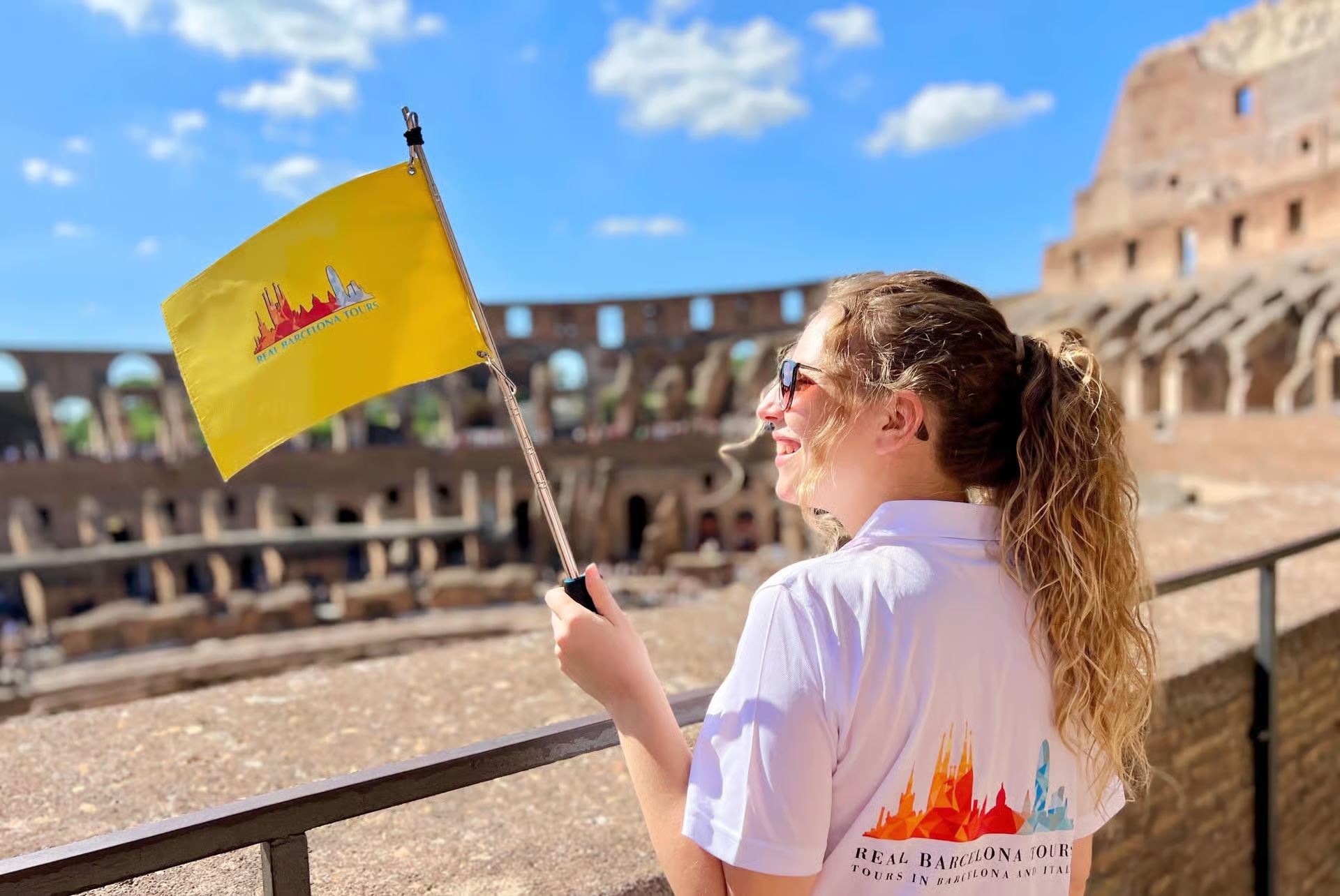

Founded in 2019, Real Barcelona Tours has grown from a small operation running Sagrada Família visits to a multi-city tour company. Welcoming around 180,000 guests last year and expecting 250,000 this year, the company now offers tours of some of Europe's most popular monuments, including the Vatican Museums and the Colosseum.
“Our mission is to create memorable, authentic travel experiences that help guests discover each destination we operate in,” says General Manager Maria Medina. “Our vision is to become one of the top tour operators in Europe and beyond. Within five years, we are aiming to be one of the leading tour operators in the world.”
We sat down with Maria and Operations Manager, Mateo Medina, to talk about how Real Barcelona grew from 50 to 600 guests a day, expanded from Barcelona to Rome, and found a broader European customer base through GetYourGuide.
What’s the background of Real Barcelona, and how are your teams organized?
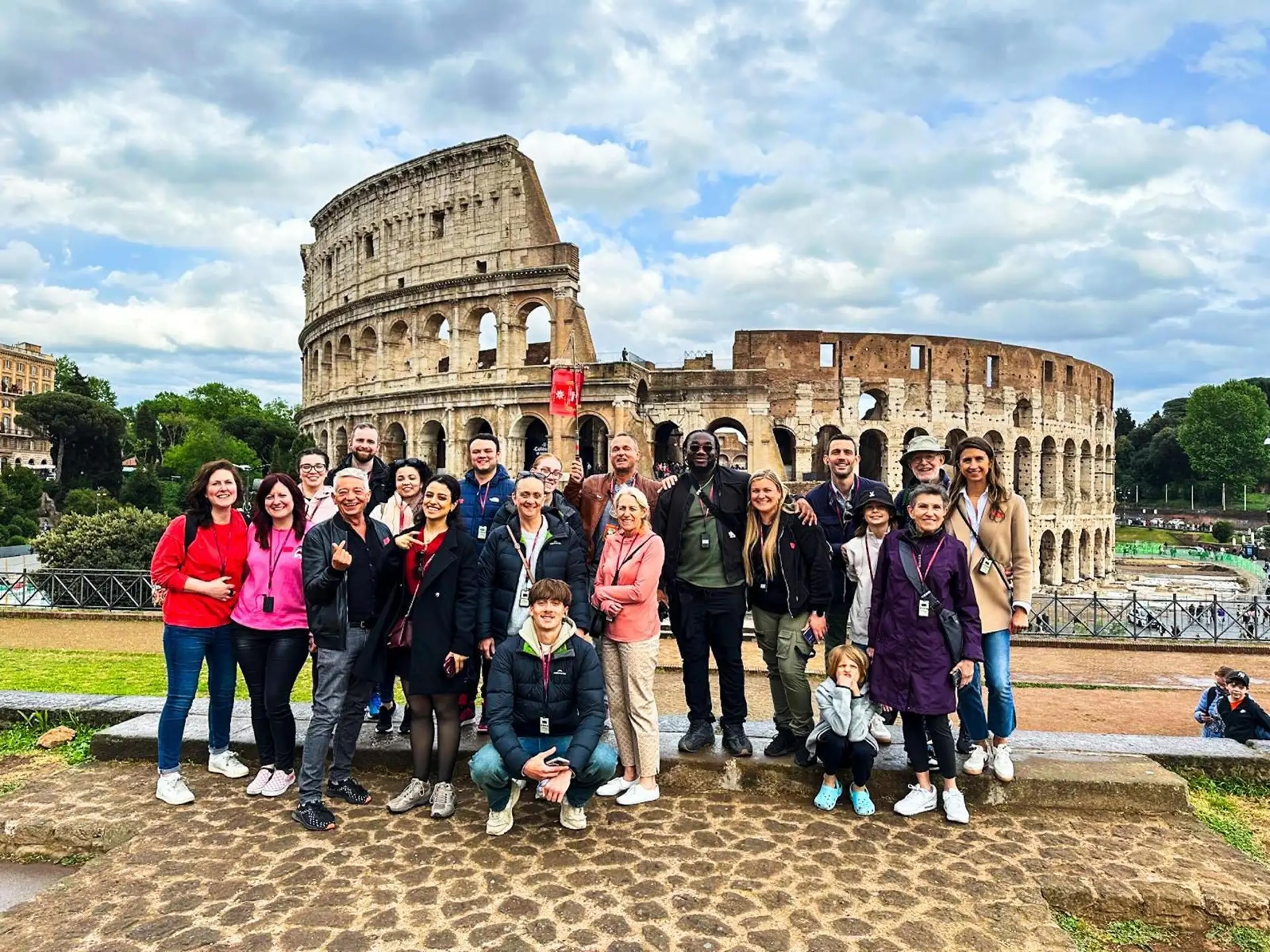
Initially, we focused on tours of the Sagrada Família in Barcelona. When the pandemic hit, and attractions closed, we shifted our focus to Rome, where we were already working with partner companies. We were operating at the Colosseum and Vatican Museums, and those have become the backbone of what we do today.
Rather than organizing by function, such as bookings or operations, we divide the company by monument. Each monument has its own dedicated department because every attraction has different regulations, ticket-release schedules, and unique demands.
What inspired you to partner with GetYourGuide, and what were your initial expectations?
We started working with GetYourGuide before COVID. Honestly, we didn't have particularly high expectations and saw it as just another OTA entering the European market. That changed.
After COVID, we noticed a significant transformation in GetYourGuide's brand presence and marketing. The platform became much more visible and recognizable. People now know the GetYourGuide name.
On a practical level, the platform is genuinely intuitive. Managing availability, setting promotions, making changes — it's all straightforward in a way that some other OTAs are not. It felt like a young, fast-moving company, and that energy matched where we were going.
What have been the most significant outcomes since joining GetYourGuide?
Our Vatican Museums product is a clear standout. Availability at the Vatican is extremely limited, and last-minute booking was a real challenge. We started experimenting with dynamic pricing on our own, but through GetYourGuide, we could implement price changes instantly on the platform.
That agility, combined with the limited availability of Vatican tickets, helped us grow that product significantly. We now have an excellent relationship with the Vatican, in part because of the volume of quality guests we bring.
More broadly, the scale of bookings through GetYourGuide drove us to professionalize our entire operation. We have gone from handling 50 guests a day to 600, and that growth demanded automation through CRM systems, automated guest communications, and channel management integrations.
GetYourGuide was a catalyst for that transformation, even if indirectly.
How has working with GetYourGuide influenced your product development?
We use reviews and platform data to refine our offerings. At the Vatican, for example, we had accumulated too many product options, which were creating confusion for travelers. We've since streamlined.
We've also shortened product descriptions, since people don't read long copy, and we've found concise descriptions, some of which are now written with the help of AI, convert better. The overall effect has been a more focused, cleaner product lineup.
How has your guest profile changed since working with GetYourGuide?
It's opened up our customer mix considerably. When we relied mainly on direct sales, we tended to attract a more specific profile: older travelers, often looking for private tours.
Through GetYourGuide, we started receiving a much broader range of guests, like solo travelers, couples, families, and younger visitors. We built products to match: express options, audio guide alternatives for people who prefer exploring independently, and traditional guided tours of varying lengths.
Before COVID, we operated only in English and Spanish. Afterward, we deliberately decided to work in more languages, including German, French, and Portuguese. That shift pushed us toward OTAs like GetYourGuide, which has a strong reach into European markets.
By contrast, other platforms have historically skewed toward English-speaking, predominantly American travelers. GetYourGuide helped us access a pan-European customer base.
German travelers are a strong and consistent segment through GetYourGuide. If we have a German-language group, it's almost certainly a GetYourGuide booking. French, English, and other European languages have also grown. We ran a test with Japanese and Chinese-language products last year, and the response was encouraging.
Tell us about your marketing beyond OTAs. What else are you doing to build your brand?
Our primary visibility comes through OTAs, and that's where the volume is, and we're realistic about the fact that we cannot match their marketing investment. We do invest in social media, though.
We have team members who create short-form video content, such as Reels and similar formats, offering practical tips to travelers. It's modest, but it keeps us present and drives some direct traffic.
The repeat-customer effect is also significant. We regularly receive emails from travelers who visited a year or two ago and want to book again. That kind of loyalty tells us the experience itself is doing the marketing.
What advice would you give to tour operators looking to grow through OTA partnerships?
Love your product. That sounds simple, but it's foundational. You have to believe in what you're selling before anyone else will.
Beyond that, don't just list the standard product that everyone else already offers. There are hundreds of Colosseum tours. The operators who stand out are the ones creating something different, like a new itinerary, a niche angle, a format that doesn't already exist on the platform.
Some of those experiments won't succeed, but some will, and those become the foundation for real growth.
Finally, what's the most unusual request you've ever had from a customer?
Marriage proposals are not uncommon. We've had several, and they're always a pleasure to be part of. The stranger ones tend to involve things people want to leave with us.
We've been asked to look after backpacks, luggage, dogs, and on one memorable occasion, a grandmother. A family didn't want to bring her on the tour, so they asked if they could leave her in the office. We accommodated her!
Key takeaways:
- Specialize before you scale. Organizing by monument rather than function allowed Real Barcelona to master the unique demands of each attraction.
- OTA partnerships can transform your customer mix. Moving beyond direct sales opened the company to a far broader audience, including younger travelers, solo visitors, families, and non-English-speaking Europeans.
- Dynamic pricing is a competitive edge at high-demand attractions. The ability to instantly adjust prices based on lead time and availability was a key driver of growth for the Vatican Museums product.
- Volume forces professionalization. Scaling from 50 to 600 daily guests pushed the company to invest in CRM systems, automated communications, and channel management.
- Differentiation beats duplication. With hundreds of near-identical tours listed on any major platform, the operators who grow are those who create genuinely distinct products, new itineraries, niche angles, or formats that don't already exist.
.png)