

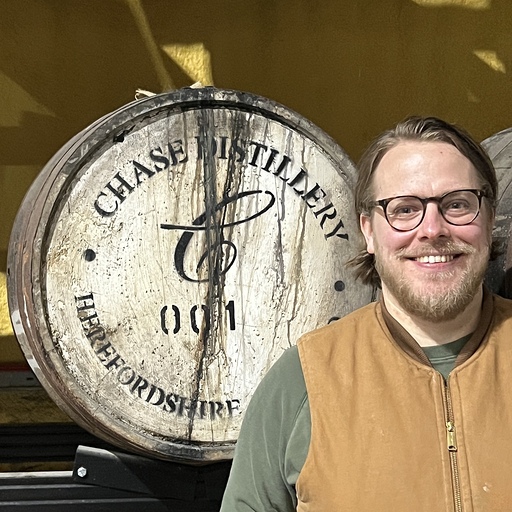

Founder Sam Worthington shares his experience growing a tour network on the vibrant islands of Panglao and Bohol in the southern Philippines, where consistency is key to their offering.
Key takeaways
Incentivize local guides. With its network of tours across the islands of Bohol and Panglao, local guides are crucial in delivering high-quality experiences for Panglao Island Tours. Data on each guide and on incentivizing those who go above and beyond have all been invaluable.
Trust OTAs to simplify the back office. GetYourGuide and other OTAs have been crucial to the success of Panglao Island Tours by marketing its tours to millions of potential customers and providing back-end data on conversion, engagement, and revenue.
Take feedback on board. Whether it’s customer reviews, in-person feedback, or dialogue with the GetYourGuide team, feedback from all sources about the business and the experiences themselves has helped shape Panglao Island Tours’ operations as the business has scaled.
Work out what you can control. When it comes to running a diverse array of tours, there will always be factors outside of your control. Those you can affect directly can help maintain consistency that leads to positive reviews and customer loyalty.
Scale slowly but smartly. That level of consistency also means that scaling up is a sustainable plan. Being hands-on with the experiences you offer, getting ahead of potential problems, and focusing on opportunities others aren’t exploring all help create a platform to build from.
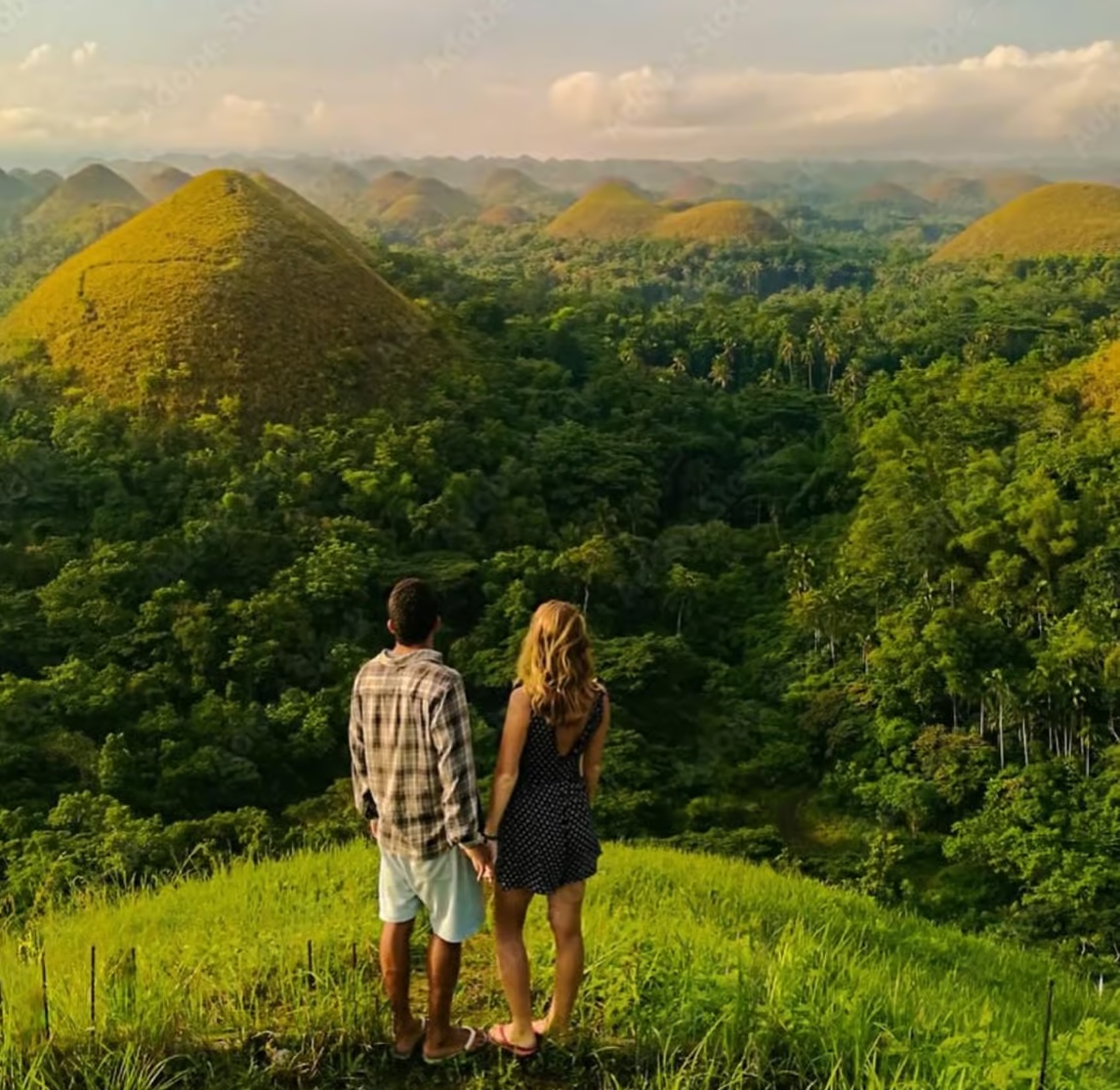
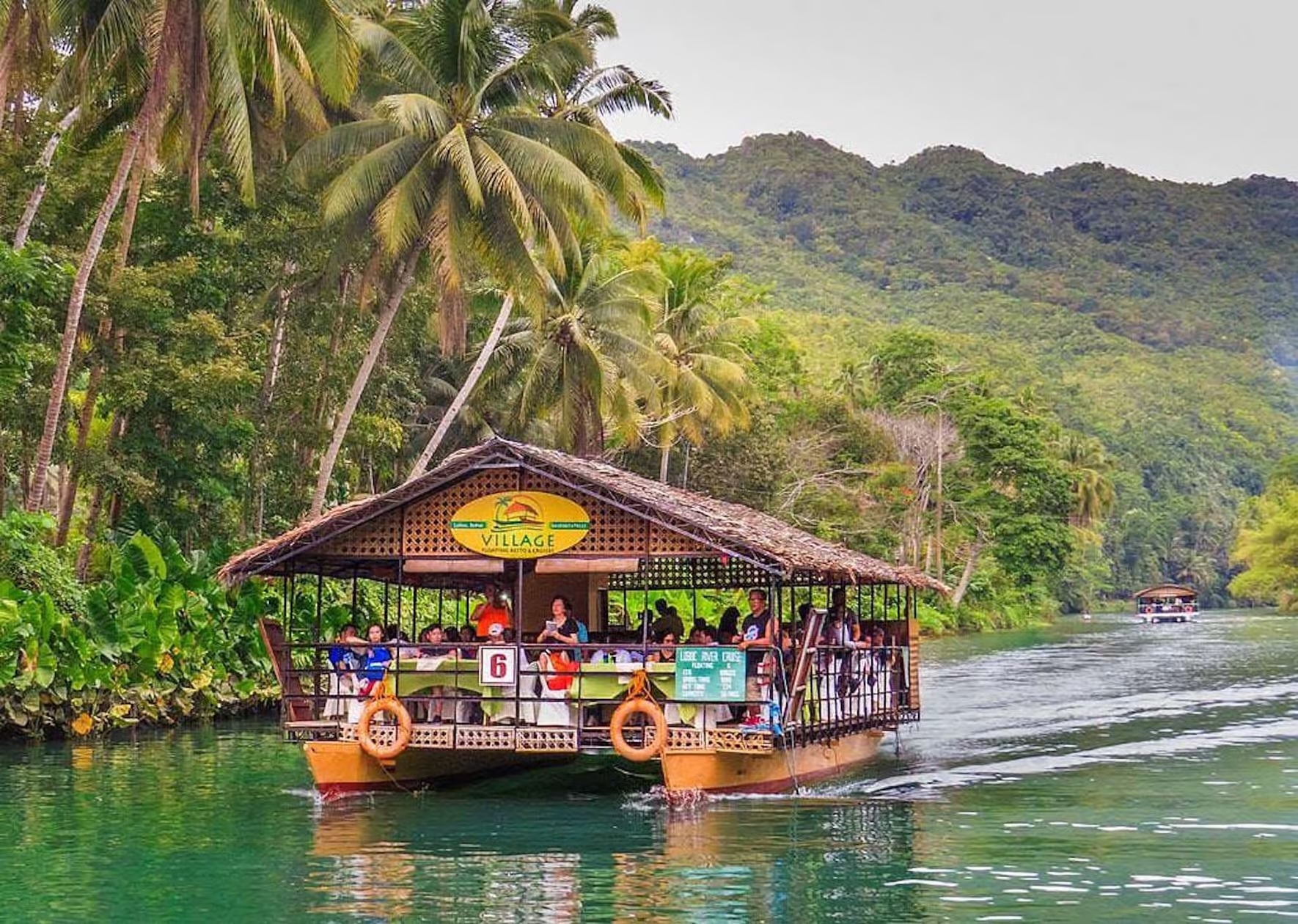
Island hopping has long been a way for travelers in Southeast Asia to get a taste of Paradise at a gentle pace. Operating a tour company on one such island, though, is a complex juggle. Located in the Central Visayas region of the Philippines, off the coast of the larger island of Bohol, Panglao is a hidden gem for backpackers and holidaymakers.
“If you’re traveling somewhere like Vietnam, you might see the sights you want to see for that day and then the next day take the bus to somewhere else,” says Panglao Island Tours’ founder, Sam Worthington. “Here, you have to commit to popping to another island, so people will come here for three, four, five days instead of just one and stay a little bit longer.”
This means a captive audience of explorers keen to join tours of pristine beaches, tropical waterfalls, and marine parks. Year-to-date GetYourGuide revenue is up 161% compared with the same period last year, with 4,590 bookings. Supporting that volume takes a flexible network of local guides, reliable transport partners, and back-office systems that help the team respond as demand changes.
“For us, the goal is just to look at it from the guest perspective and make sure that the experience is as good as it can be, and then we build out from there,” says Sam. “The things that we control make sure that it's consistent for the guests, and then the rest will come from that.”
We spoke to Sam about building reliable local guide networks, using guest feedback to improve every tour, and growing Panglao Island Tours without losing that consistency guests expect.
What is Panglao Island all about?
We're in the center of the country, very near to a couple of other islands. A lot of people go to Cebu because it's a big city, and Bohol is just a short boat ride right across. Historically, a lot of people would come out here for scuba diving, then that turned into a freediving community.
We have nature, waterfalls, whale sharks, and the Chocolate Hills, which is a pretty famous sightseeing place. For people backpacking or traveling from country to country, Bohol and Panglao Island are easy places to visit.

How many tours do you offer?
We offer around eight different tours. It's pretty much the same customer base, but maybe some of them attract a slightly different demographic. The waterfall hopping might attract more young, adventurous groups, and the Chocolate Hills might then attract more families and groups. For the most part, it's still a Western market we usually handle.
We're always trying new tours to see what works, and then we'll tweak them as much as we can. Then, if it doesn't get any traction, maybe we'll put the brakes on it and try it from a different angle again. Almost all of our guests are foreigners, so we have to balance what they want and expect with showing them the local culture. It's about making the experience easy and familiar for international travelers while still giving them an authentic Philippine experience.
How do you ensure the quality and consistency of your tours?
We keep track of the data from each of our guides, who's doing what, and then try to use the feedback from the guests. We look at what is within our control and what is not, and then try to provide the appropriate training to the guide based on that.
It’s also about the right incentives: giving guides something to be excited about as they hit different goals that move us forward. We give opportunities to the guides who are really going above and beyond.
When it comes to the locations and the script, they're quite easy to copy. So we tried to focus on investing a little more than our competitors did. So instead of maybe using a five- or six-year-old van, we'll use a van that's less than a year old, or a new minibus. So, we put more money into just trying to improve the quality a little bit. We try to invest.
How has GetYourGuide helped you to grow?
First, we started with our own website and direct bookings. Then we started adding OTAs and prioritized who was bringing volume and quality guests, and who had the back end that would make our job a little easier. Gradually, we started getting more and more bookings from GetYourGuide, and then we focused on the trends and patterns and adjusted accordingly.
I had done a really long trip around Central and South America, and I used GetYourGuide a lot, so I was already familiar with them. As an operator, the back end is great: it will give me my conversion rate, the reviews, and the averages. Getting the bookings automatically approved in the email right away is helpful. Those are all useful tools.
They have an accounting team that goes over the numbers. It's a good resource; it would probably cost me as much as, or more than, what I pay for some of the same things I get from them, because they do it at high volume. It's definitely leaving money on the table if you're not trying to partner with OTAs.
The data I focus on most are the conversion rate, the click rate, and the reviews. We've consistently grown month over month since we started. GetYourGuide brings us a meaningful percentage of guests, so we're happy to work with them and partner with them.
As we expand and open in more markets, I see us keeping growing together. They care about the guest experience, which matches what we're trying to do as well.

How important are GetYourGuide’s reviews and feedback?
We’re constantly learning because if you have 3,000 people look at your listing on GetYourGuide and they all read the same sentence, it is really amazing how many different ways different people can interpret the exact same thing. We're constantly tweaking and editing everything that we say, and then we post it to make it clear for everyone.
For every review we get on GetYourGuide, we'll look at what they're explaining and ask whether it's within our control or outside it. So if they're talking about the weather or other people, those are some elements that we can't control.
If they are talking about something like the vehicle, our guide, route, or stops, though, we'll ask where they’re coming from. Is this something we can change? What are the consequences if we change this? What's the domino effect?
Every time we get feedback, do we need to make an adjustment? If so, what would that be?
What advice would you give to other tour operators looking to grow and scale as you have?
I would say go slow and focus on working out the problems before you try to expand. So do it for a while and be hands-on; you really need to be the one on the ground to see what could be better or what's not so good.
I also found many opportunities and gained traction by doing the things other operators don't want to do. Maybe one particular route is a little more expensive or harder, or maybe during the holiday season, operators slow down or close. By working those days, you can get good traction.
Be hands-on at first, then work through the problems; go slow, and capitalize on the opportunities that are a little more niche.
We want to continue to scale. Our goal is to move to the nearby islands because they have some very nice attractions. Then, hopefully, operate at the national level rather than the regional level.