
.JPG)
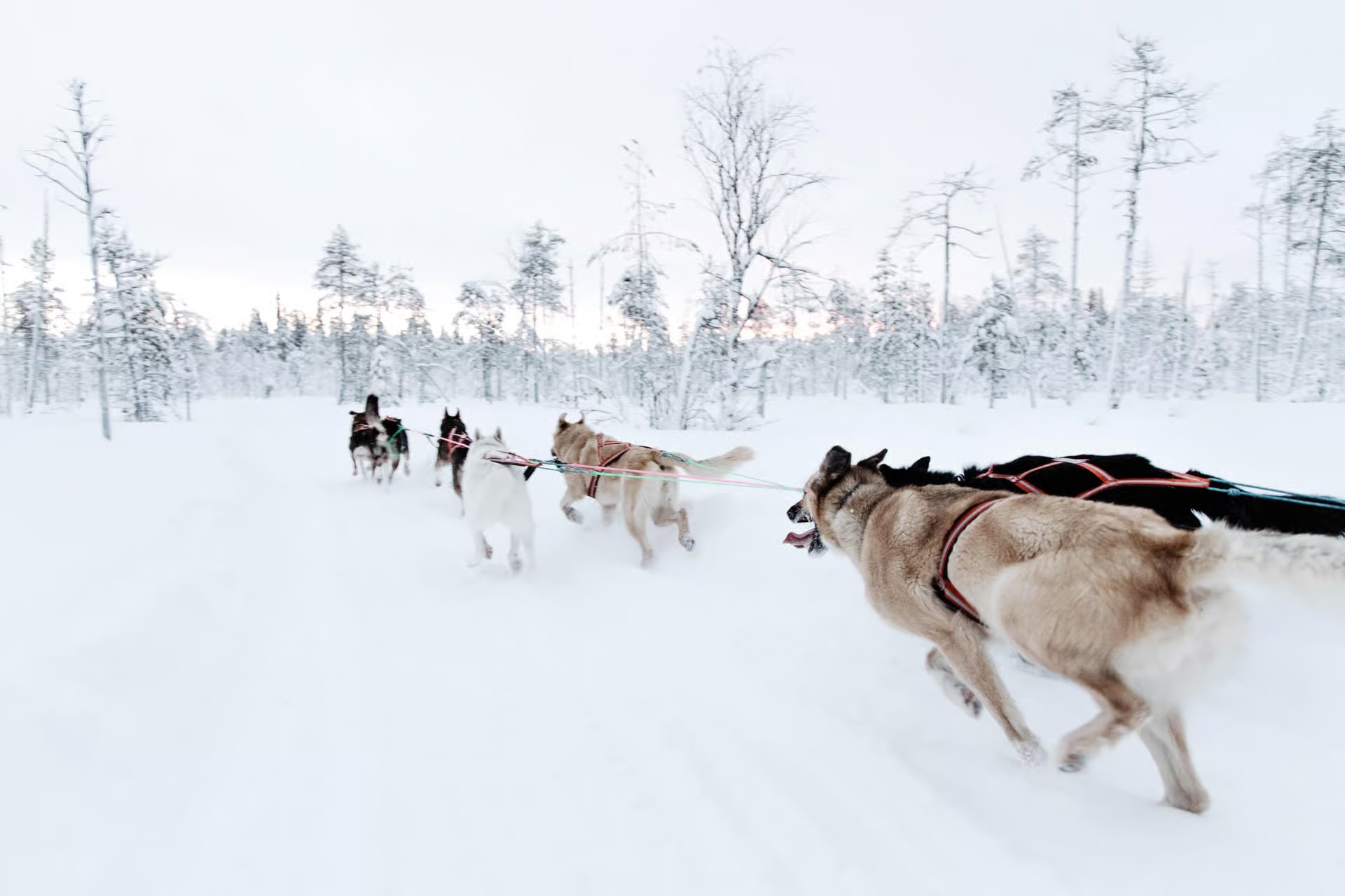

From 27,000 visitors in 2022 to 57,000 last season, Bearhill Husky diversified its booking channels, filled quieter periods, and expanded its operation.
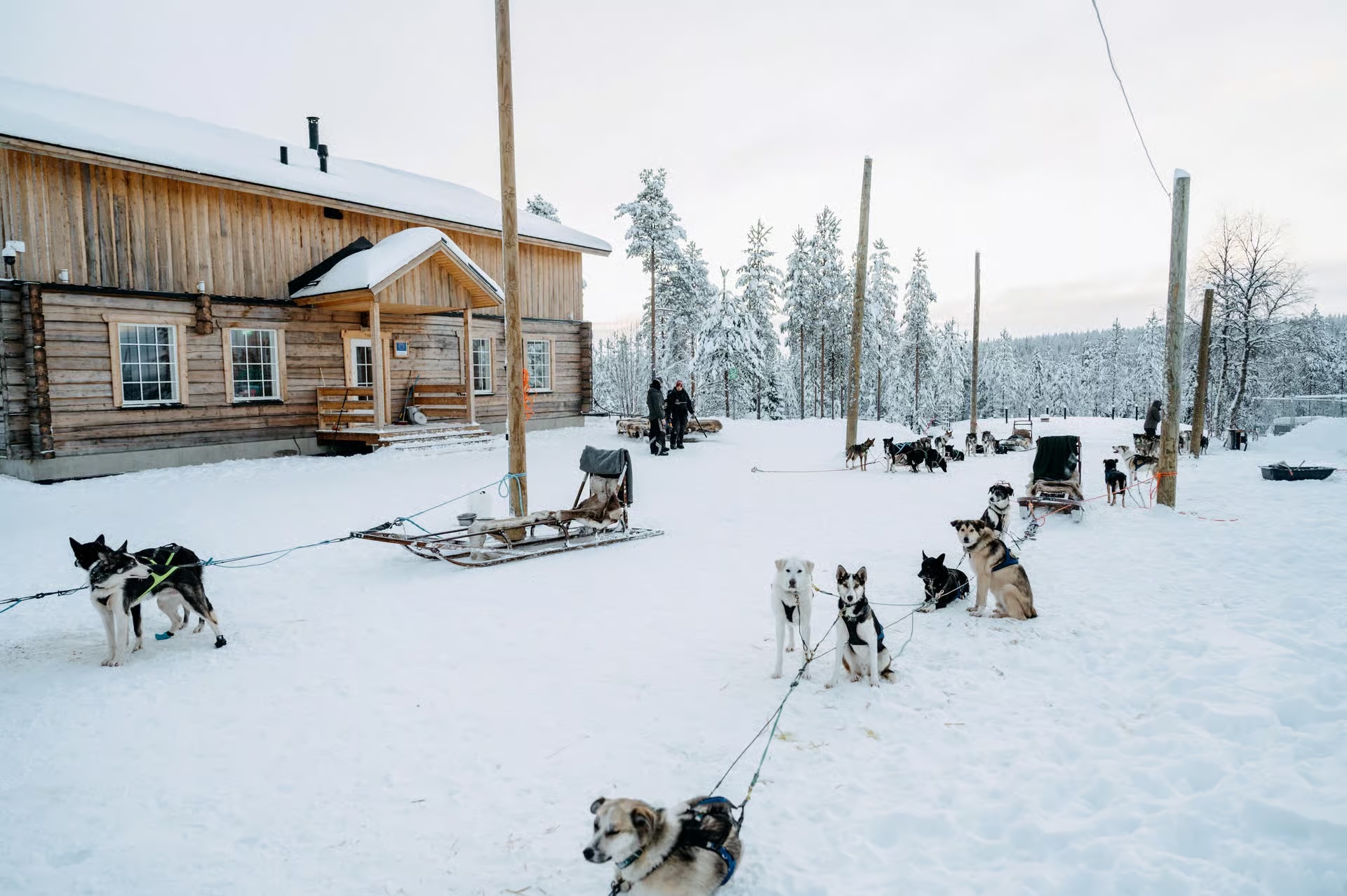
Bearhill Husky runs husky sledding experiences from two locations in northern Finland, offering everything from short, family-friendly rides to longer adventures through the Arctic landscape. Behind every experience is a working kennel, and the way Bearhill cares for its dogs shapes how the company designs its tours, manages growth, and positions its brand.
Its mission is “to offer high-quality husky experiences while treating our guests with respect and giving our dogs the best possible working life and a dignified retirement,” says Teemu Sara, Sales Manager.
“We operate what we call a no-kill kennel, which means healthy dogs are never put down simply because they are old or no longer able to work. They are either rehomed, or they stay here at the kennel for the rest of their lives.”
That approach helps Bearhill stand out in a competitive market. Guests regularly mention the dogs’ health and happiness, while the company has continued adapting its products and booking strategy as demand has changed.
We sat down with Teemu to discuss how Bearhill has grown its operation, responded to changing traveler habits, and worked with GetYourGuide while keeping its own brand story at the center of the business.
How does animal welfare drive your business decisions?
It’s the philosophy that drives everything, including the direction we’re taking.
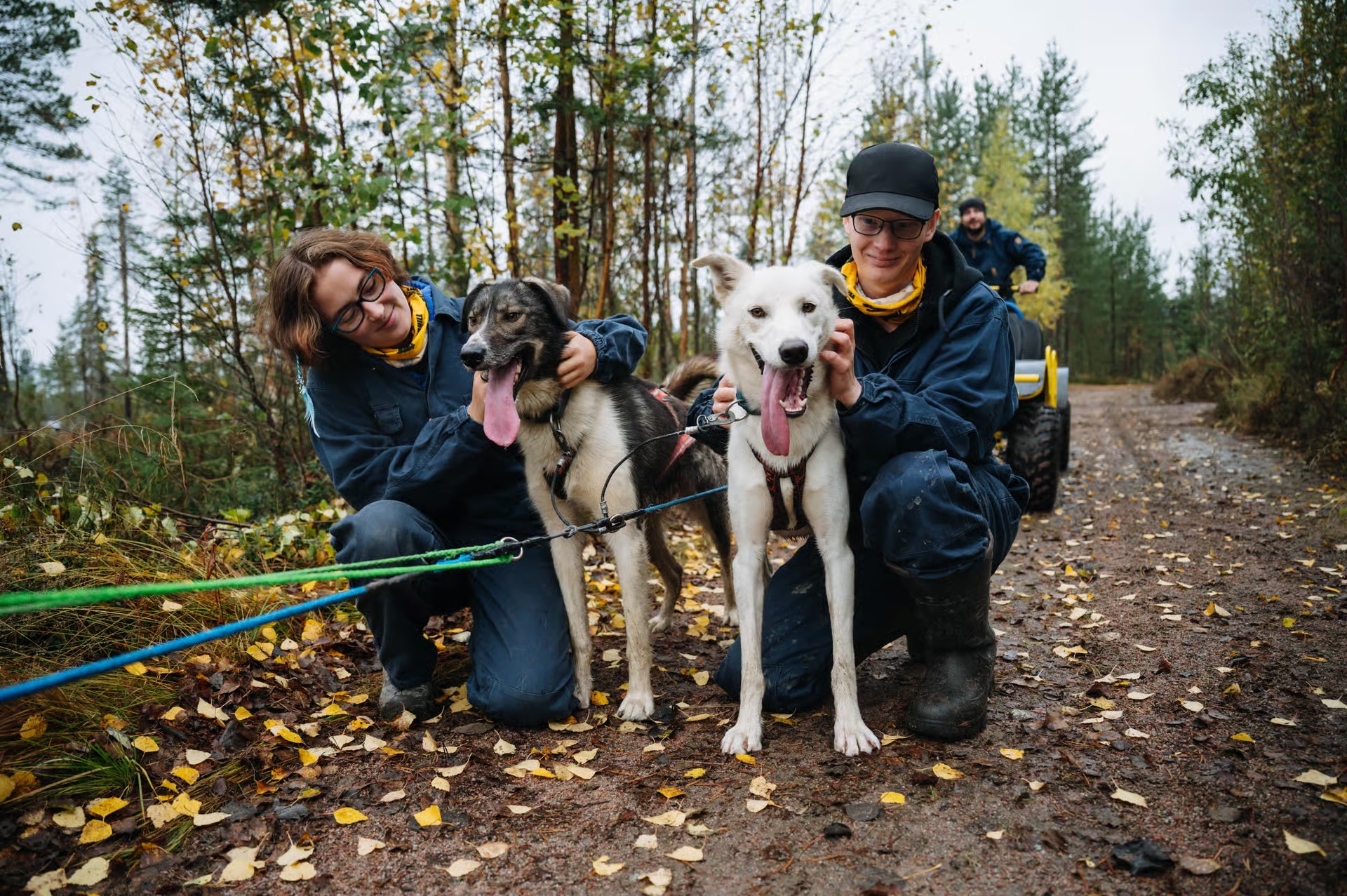
A few years ago, we began slowly moving away from self-driven husky tours, where guests drive the sledges themselves, toward guide-driven experiences, where a member of our team drives instead. The reason is straightforward: dogs are always more comfortable with a trained, familiar driver. When an inexperienced person takes the reins, the dogs notice, and it affects their well-being.
Guide-driven tours are simply better for the animals.
We’re also in the process of founding a rehoming foundation. We’ve been rehoming our own dogs for years, but we want to formalize that work and eventually support other kennels in doing the same. It’s a long process; there’s a lot of legal groundwork to lay, but it’s one of our most important goals.
How do you ensure you communicate your animal-welfare narrative?
As old-school as it sounds, we’ve started blogging. We’re now about a year and a half into publishing regular content, and it gives us space to go into depth on animal welfare, how we train our dogs, what retirement looks like for them, and why that affects the price.
Combined with our social media presence and a well-structured website, it creates a clearer picture of who we are and what we value.
If your brand story is your main competitive differentiator, and for us, it is, you have to build and maintain those channels yourself.
How have you adapted to changing customer needs?
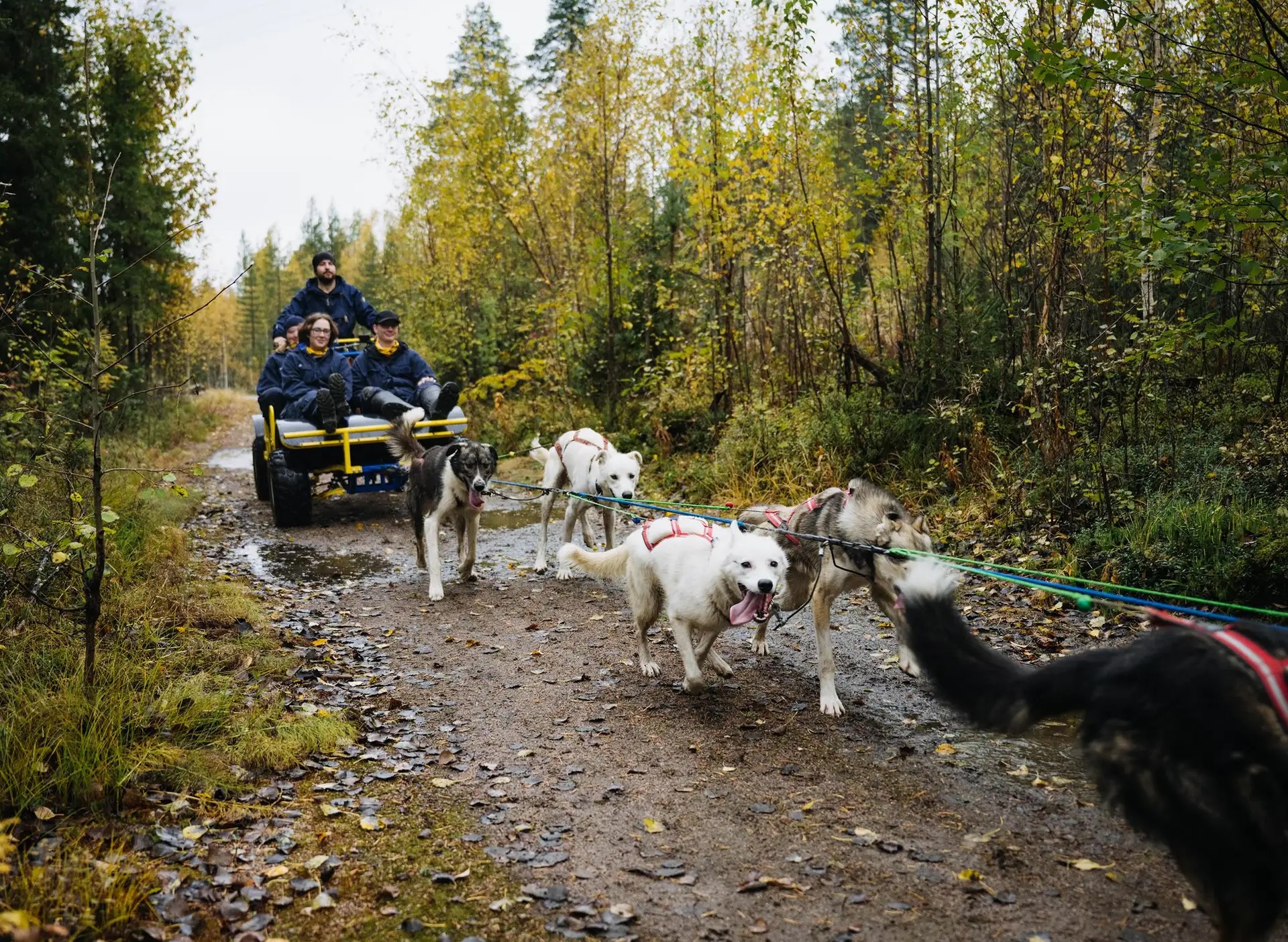
The most significant trend we’ve seen is a shift away from full-day and multi-day adventure experiences toward shorter, more family-friendly programs. Demand for our longer 40-kilometer tours has declined noticeably, while 2.5 km-10 km family tours have become our core offering.
We discontinued our full-day tour because the numbers simply didn’t support continuing it.
We’ve also been thinking carefully about weather and seasonality risk. Recent winters have been less predictable, since snow doesn’t always arrive when it should. Guide-driven tours offer an operational advantage here too: professional drivers can manage on rougher terrain and in more difficult conditions than we would ever allow guests to drive in.
Moving toward guide-driven activities also gives us a degree of insurance against poor weather conditions. Even when conditions are challenging, we can usually still operate.
How do you use data from GetYourGuide to inform those decisions?
The review function has been valuable for catching misunderstandings in our tour descriptions. When thousands of people read the same text, even a well-written description will occasionally be interpreted differently than intended. Reviews surface those issues quickly.
Booking data has also helped us understand which products have genuine demand and which don’t. When something isn’t selling, and we know our product quality is consistent, it tells us something about the market rather than about us. That’s a useful signal.
That kind of data partly informed the shift away from full-day tours.
What have been the most significant outcomes since joining GetYourGuide?
The most tangible impact has been filling gaps in our sales calendar. We have periods of the year where demand naturally dips, and GetYourGuide has helped generate bookings in those quieter windows. It also functions as a useful last-minute channel during busier periods when our own booking pipeline hasn’t quite filled our capacity.
The most concrete example I can point to is at our second location, where we offer shorter, more accessible rides. After integrating with GetYourGuide, we increased the number of available daily dog teams from four to five.
We increased operating capacity by 25% because the additional demand made it financially viable, even during slower periods. That’s a clear, measurable result that came directly from the combination of our own marketing and the volume GetYourGuide delivered.
How would you describe the guests you attract through GetYourGuide compared to your own channels?
GetYourGuide customers tend to book much closer to their travel date than guests who come through our own website. That’s been a consistent pattern.
We’ve also reached more guests from Asian markets through the platform, Japan in particular, because GetYourGuide translates its product pages. Those customers generally don’t navigate to Scandinavian tour operator websites independently.
In terms of core demographics, the main source countries are similar across both channels: the UK, Ireland, Australia, France, and Germany dominate.
There’s also a difference by location. Our main kennel attracts guests specifically looking for an ethical, welfare-focused experience and willing to pay for it. Our second location, which offers shorter, more accessible rides, caters to a more price-sensitive segment.
GetYourGuide is particularly well-suited to that shorter product, since it doesn’t require much background narrative. It fits neatly on a product page, and it sells well.
What advice would you give to other operators considering OTA partnerships?
Don’t let OTAs become your entire strategy. They’re a distribution channel, not a substitute for a brand. Maintain your own website, keep investing in your direct booking capability, and keep building your story on channels you control.
Think of OTA revenue as an investment fund. You can direct the additional income toward the marketing, content, and platform improvements that strengthen your own presence.
Some percentage of sales coming through OTAs is fine; there’s nothing wrong with a diversified mix. The goal, though, should always be a strong direct channel sitting at the center of your strategy.
Pick a platform that actually works, which I think GetYourGuide definitely does. That sounds obvious, but operational reliability matters more than it may seem when you’re in the middle of a busy season, and customers depend on their bookings to go through correctly.
Key Takeaways:
- Own your brand story, don't outsource it. Bearhill invests heavily in blogging, social media, and its own website to communicate its narrative. They recognize that if your story is your main differentiator, you must build and maintain those channels yourself.
- Diversifying booking channels fueled dramatic growth. By combining their own direct channels with OTA partnerships, Bearhill more than doubled their visitors, from 27,000 in 2022 to 57,000 last season, demonstrating the power of a multi-channel distribution strategy.
- Different locations attract different customer segments. Their main kennel draws welfare-conscious guests willing to pay more, while their second location serves a more price-sensitive audience. Matching the right product to the right platform (e.g., shorter rides on GetYourGuide) maximizes reach across both segments.
- Use OTAs strategically. GetYourGuide helped fill slow-season gaps, unlock new markets (particularly Japan), and even enabled a 25% capacity increase at their second location. Teemu's advice is clear: treat OTA revenue as a supplement and investment fund for your direct channel, not a replacement for it.
- OTA data can sharpen business decisions. Review feedback helped identify unclear tour descriptions, while booking data confirmed which products had genuine market demand, directly informing the decision to discontinue their full-day tour.